Effective Migraine Relief with Expert Physiotherapy & Personalized Care
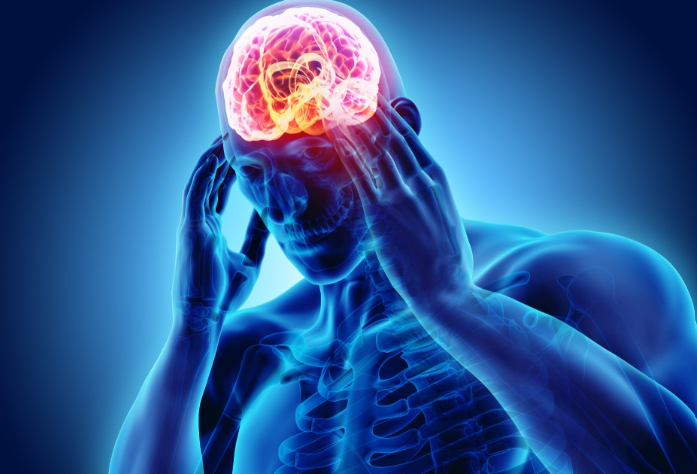
Migraines are more than just headaches—they are a neurological condition that can cause intense, throbbing pain along with symptoms such as nausea, sensitivity to light and sound, and visual disturbances. Migraine attacks can interfere with work, family life, sleep, and everyday activities, significantly affecting your quality of life.
At Indu Physiotherapy Clinic, we provide comprehensive assessment and evidence-based physiotherapy for migraine management. Our approach focuses on identifying musculoskeletal triggers, improving neck function, correcting posture, reducing muscle tension, and helping decrease the frequency and intensity of migraine episodes.
Whether your migraines are triggered by stress, poor posture, neck pain, or prolonged desk work, our personalized treatment plans are designed to help you achieve long-term relief and improve your overall well-being.

A migraine is a neurological disorder characterized by recurring episodes of moderate to severe headache, usually affecting one side of the head. The pain is often described as throbbing or pulsating and may last from a few hours to several days.
Many people also experience additional symptoms before, during, or after a migraine attack. Some individuals notice warning signs called an “aura,” which may include visual disturbances, numbness, or difficulty speaking.
Although migraines cannot always be completely cured, appropriate treatment and lifestyle modifications can significantly reduce their frequency and severity.
Migraine triggers vary from person to person. Common causes and contributing factors include:
Understanding your personal triggers is an important part of effective migraine management.
Migraine symptoms may include:
Our physiotherapists commonly assess patients with:
Every patient receives a detailed evaluation to determine possible musculoskeletal factors contributing to migraine.
Our assessment includes:
If your symptoms suggest a condition requiring medical evaluation, we will advise appropriate referral to your physician or neurologist.
Gentle hands-on treatment helps improve neck mobility, reduce joint stiffness, and decrease muscle tension.
Treatment of tight muscles and trigger points around the neck, shoulders, and upper back.
Improving posture helps reduce strain on the cervical spine and surrounding muscles that may contribute to migraine attacks.
Customized stretching and strengthening exercises improve neck stability and muscle endurance.
Specific exercises restore normal movement and improve spinal function.
Stress management strategies help reduce muscle tension and improve overall relaxation.
Recommendations for workstation setup, mobile phone use, sleeping posture, and daily activities.
A personalized home exercise routine supports long-term migraine prevention and neck health.
Physiotherapy may help you:
Simple daily habits may reduce migraine attacks:
Yes. Physiotherapy can be beneficial for people whose migraines are associated with neck pain, poor posture, muscle tension, or cervical spine dysfunction. It is often used alongside medical management as part of a comprehensive treatment plan.
Common triggers include stress, hormonal changes, lack of sleep, dehydration, bright lights, certain foods, poor posture, and prolonged screen use. Triggers vary from one person to another.
The number of sessions depends on your symptoms, migraine frequency, physical assessment, and treatment goals. Your physiotherapist will recommend a personalized rehabilitation plan.
Yes. Anyone experiencing frequent, severe, or new-onset migraines should consult a healthcare professional for an accurate diagnosis. Seek emergency medical care if you experience a sudden “worst-ever” headache, weakness, difficulty speaking, confusion, seizures, or vision loss.
Consider physiotherapy if you have:
Early intervention can help address contributing musculoskeletal factors and improve your quality of life.
Don’t let migraines control your daily life.
At Indu Physiotherapy Clinic, we provide personalized physiotherapy programs that focus on reducing pain, improving neck function, correcting posture, and helping you manage migraines more effectively.

Whether you’re a professional athlete, a fitness enthusiast, a weekend runner, or someone recovering from an everyday injury, the right physiotherapy can help you return to an active lifestyle safely and confidently.
At Indu Physiotherapy Clinic, we provide comprehensive physiotherapy and sports injury rehabilitation using evidence-based treatment techniques. Our goal is not only to relieve pain but also to restore strength, mobility, flexibility, and performance while reducing the risk of future injuries.
Our experienced physiotherapists create personalized rehabilitation programs based on your injury, activity level, and recovery goals to help you achieve the best possible outcome.
Sports injury physiotherapy is a specialized branch of physiotherapy that focuses on the assessment, treatment, rehabilitation, and prevention of injuries affecting muscles, ligaments, tendons, joints, bones, and nerves.
Sports injuries are not limited to athletes. They can occur during exercise, gym workouts, running, cycling, football, cricket, badminton, yoga, dancing, or even routine daily activities.
Early physiotherapy promotes faster healing, improves movement, and helps you return to your sport or daily activities with confidence.
Our physiotherapists treat a wide variety of sports and musculoskeletal injuries, including:
You should consult a physiotherapist if you experience:
Every patient undergoes a detailed evaluation that includes:
Based on these findings, we develop a customized rehabilitation plan designed for safe and effective recovery.
Hands-on techniques to reduce pain, improve joint mobility, and restore normal movement.
Progressive rehabilitation programs that rebuild strength, stability, endurance, and confidence before returning to sports.
Personalized strengthening, stretching, mobility, and functional exercises tailored to your recovery stage.
Used where clinically appropriate to reduce muscle tightness, relieve trigger points, and improve movement.
Modern physiotherapy modalities such as IFT, TENS, Ultrasound Therapy, and other evidence-based treatments to assist pain management and tissue healing.
Supportive taping techniques to protect injured structures during recovery and sporting activities.
Exercises designed to improve coordination, joint stability, and injury prevention.
Correcting faulty movement patterns that contribute to pain and repeated injuries.
A structured home rehabilitation plan that complements your clinic sessions and promotes long-term recovery.
Our clinic provides physiotherapy for:
Physiotherapy helps you:
Reduce your injury risk by following these simple practices:
In many cases, beginning physiotherapy soon after the injury—once serious medical issues have been ruled out—can support recovery, reduce stiffness, and help restore normal movement.
The number of sessions depends on your diagnosis, injury severity, activity level, and rehabilitation goals. Your physiotherapist will discuss a personalized treatment plan after the initial assessment.
Some musculoskeletal injuries respond very well to physiotherapy and rehabilitation. However, certain injuries may still require surgical management. Your physiotherapist will work alongside your treating doctor or orthopedic specialist whenever appropriate.
In many cases, yes. Your physiotherapist will advise which activities are safe, what should be modified, and when you can gradually return to full training.
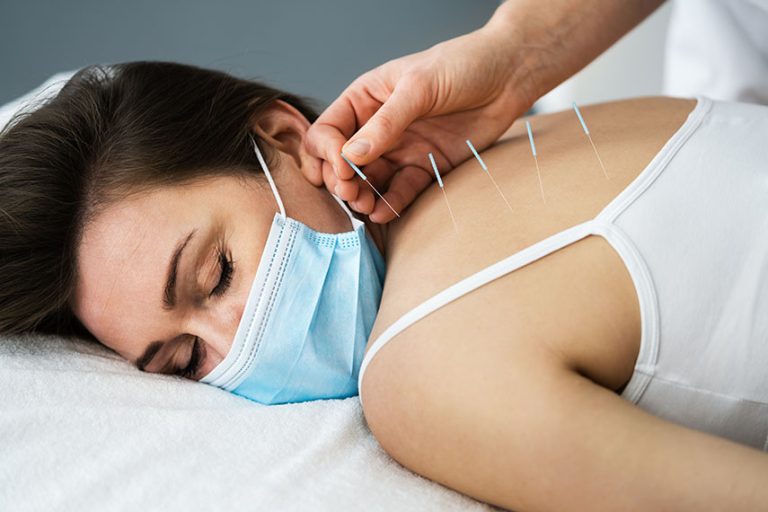
Dry needling sometimes referred to as ‘clinical or Western acupuncture,’ is an invasive method whereby solid filament (acupuncture) needles are introduced into the skin and tissues below, with the term ‘dry needling’ coined to differentiate it from ‘injection needling’ where something is injected into tissue with a hypodermic syringe.
Dry needling is a unique procedure intended to specifically target and restore muscle function, with an emphasis on improving tissue healing and restoring normal tissue function. This is important as continued activity with poor muscle function may lead to further tissue damage and increased pain. Dry needling is not meant to replace conventional medical procedures such as physiotherapy or surgery. However, when combined with conventional treatment options, dry needling can be an influential method to accelerate pain reduction, healing and the restoration of normal tissue function.
There are obvious similarities between dry needling and acupuncture in that the needles used are identical. Generally, dry needling is based on Western anatomical and neurophysiological principles, which are not to be confused with the Traditional Chinese Medicine (TCM) technique of acupuncture.
TCM is based on the use of “pulses,” “coatings” and “meridians” (or channels) derived from ancient Chinese philosophy and culture, with traditional acupuncture needles inserted into defined acupoints, intended to unblock energy meridians and help create balance within bodily systems. Advocates of traditional acupuncture promote its use for treating a range of physical and psychological problems.
Unlike the specific tissue targets used in dry needling, acupoints do not necessarily match our understanding of anatomy and the proposed treatment mechanism is largely inconsistent with modern medical science.
Generally, needle insertion is not felt; the local twitch response or sudden slight contraction of the muscle may provoke a very brief pain response. This has been described as an electric shock or a cramping sensation. A therapeutic response occurs with the elicitation of local twitch responses and that is a good and desirable reaction.
During treatment, and depending on the dry needling technique used, patients commonly experience heaviness in the limbs or a pleasant feeling or relaxation. Following this technique some muscle soreness may be felt up to 24-48 hrs.
Dry needling is a very safe treatment. In the clinic we are trained in using a ‘clean’ technique, and only individually packaged, single use, sterile needles are used. The needles are very fine (.16-.30mm), and very rarely does any bleeding or bruising occur at the insertion site.
Many clients report some soreness in the treated area and referral zone lasting from a few hours to two days. Side effects are very rare but when they occur, the most frequent and the most serious is that of a pneumothorax. This is where a needle pierces the lung leading to a full or partial collapse.
IF YOU HAVE QUERY RELATED TO BEST DRY NEEDLING THERAPY IN GURGAON BY DR. ANUJ KUMAR, PLEASE CONTACT US OR CALL US AT +91-9289 059 265
At our clinic for Dry Needling therapy in Gurgaon, we provide excellent treatment practices and quality care in a friendly, professional, and safe environment. We have one of the best Dry needling physiotherapists in Gurgaon, Dr Anuk Kumar who has been professionally trained in the Physio Field. We provide the best Dry Needling in Gurgaon and ensure the best treatment with the latest diagnosis techniques such as ASTYM, Spinal Manipulation, TMR, PRRT, and Dry Point Needling.
Most oral emergencies relate to pain, bleeding, or thoracic pain and should be attended by a Physiotherapist.
We will send you a confirmation within 24 hours. Emergency? Call +91-9289 059 265
Most oral emergencies relate to pain, bleeding, or thoracic pain and should be attended by a Physiotherapist.