- Home
- About Us
- Treatment
- Traumatic Brain Injury Physiotherapy
- Trigger Finger Physiotherapy Treatment
- Shin Splint Pain Physiotherapy
- Carpal Tunnel Syndrome Physiotherapy treatment
- Cervical Pain Physiotherapy
- Biceps Tendinitis Physiotherapy Treatment
- Sciatica Physiotherapy Treatment
- Meniscus Surgery Rehabilitation
- Tennis Elbow Physiotherapy Treatment
- Ankylosing Spondylitis Physiotherapy Treatment
- Back and Neck Pain Physiotherapy
- Post-TKR & THR Rehab Physiotherapy
- Chondromalacia Patella Physiotherapy Treatment
- Vertigo Physiotherapy Treatment
- Neuralgia Physiotherapy Tratment
- Rheumatoid Arthritis Physiotherapy Treatment
- Supraspinatus Tendinitis Treatment
- Ankylosing Spondylitis Physiotherapy Treatment
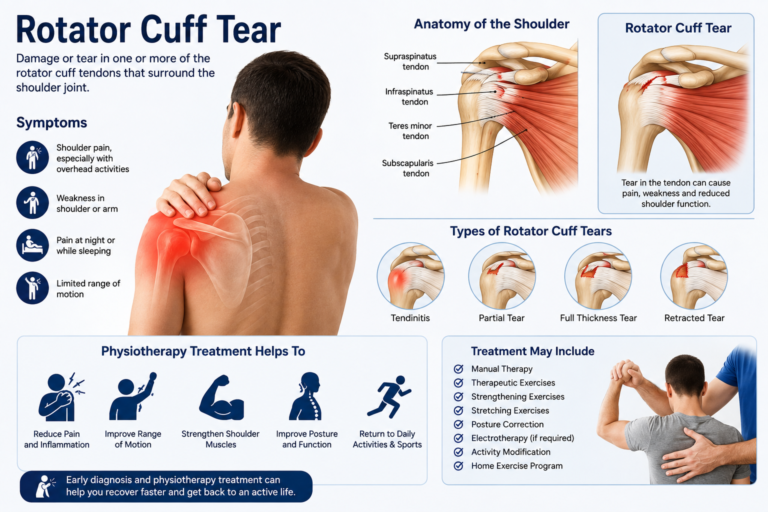
- Rotator Cuff Tear Physiotherapy Treatment
- Fibromyalgia Physiotherapy Treatment
- Bell’s Palsy Physiotherapy Treatment
- Trigger Point Pain Treatment
- Piriformis Syndrome Physiotherapy Treatment
- Anterior Cruciate Ligament Physiotherapy Treatment
- Posture Correction Treatment
- Dry Needling Therapy
- Neuro Physiotherapist in Gurgaon
- scoliosis physiotherapy treatment
- Facet Joint Syndrome Treatment
- Frozen Shoulder Physiotherapy Treatment
- Cervical Spondylosis
- Heel Pain Physiotherapy Treatment
- Knee Osteoarthritis Treatment
- Migraine Treatment
- Neuro Physiotherapist in Gurgaon
- Orthopedic Physiotherapist
- Slip Disc Physiotherapy Treatment
- Stroke Physiotherapy Treatment
- Chondromalacia Patella
- Post-TKR & THR Rehab
- Services
- Our Doctor
- Blog
- Contact Us