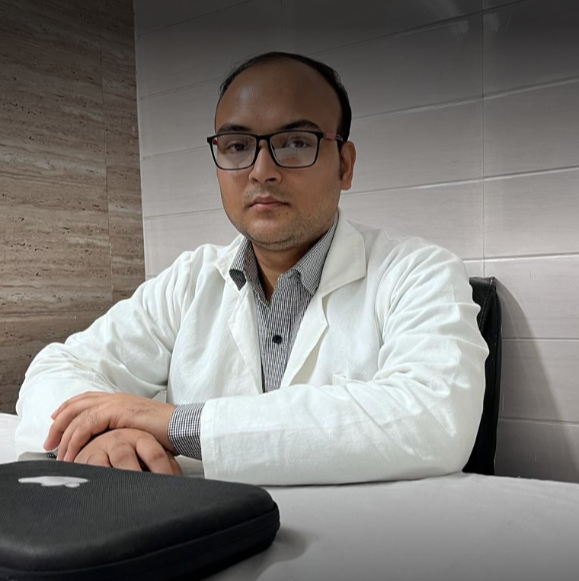
Neck pain, stiffness, headaches, and tingling in the arms can significantly affect your daily life. One of the most common causes of these symptoms is Cervical Spondylosis, an age-related condition that affects the cervical spine (neck). At Indu Physiotherapy Clinic, we provide advanced, evidence-based Cervical Spondylosis Treatment through personalized physiotherapy programs designed to reduce pain, improve neck mobility, strengthen supporting muscles, and restore your quality of life.
Our experienced physiotherapists use non-surgical rehabilitation techniques to address the root cause of neck pain, helping patients recover safely and prevent future episodes.
Cervical Spondylosis, also known as cervical osteoarthritis or neck arthritis, is a degenerative condition caused by the natural wear and tear of the bones, discs, and joints in the cervical spine. As we age, the spinal discs lose water content, become thinner, and may develop bone spurs (osteophytes), which can irritate or compress nearby nerves.
While many people over the age of 40 show signs of cervical spondylosis on imaging, not everyone experiences symptoms. When symptoms occur, they often respond well to conservative treatment, including physiotherapy.
Physiotherapy is one of the most effective non-surgical treatments for cervical spondylosis. A customized rehabilitation program helps reduce pain, improve flexibility, strengthen neck muscles, correct posture, and restore normal movement.
Symptoms may develop gradually and vary from person to person.
Common symptoms include:
If you experience severe weakness, difficulty walking, loss of bladder or bowel control, or worsening neurological symptoms, seek immediate medical evaluation.
The condition usually develops due to gradual degeneration of the cervical spine.
Common causes include:
You may have a higher risk if you:
At Indu Physiotherapy Clinic, we conduct a comprehensive assessment before starting treatment.
Our evaluation includes:
If available, MRI, X-ray, or CT scan reports are reviewed to better understand your condition and tailor the rehabilitation plan.
Our treatment plans are individualized based on your symptoms, lifestyle, and recovery goals.
Gentle techniques to reduce pain and inflammation.
Hands-on mobilization techniques to improve joint movement and reduce stiffness.
Targeted exercises to restore neck flexibility, strength, and endurance.
Strengthening the deep neck muscles to improve spinal support.
Training to improve sitting, standing, and workplace posture.
Reducing muscle tightness in the neck, shoulders, and upper back.
Exercises to improve the strength of the neck, shoulder, and upper back muscles.
Exercises that help reduce nerve irritation and improve nerve mobility when appropriate.
Guidance on workstation setup, sleeping positions, and daily activities to reduce strain on the cervical spine.
A personalized exercise routine to continue progress at home and reduce the risk of recurrence.
Regular physiotherapy can help patients achieve:
Physiotherapy is suitable for individuals experiencing:
At Indu Physiotherapy Clinic, we are committed to providing high-quality, evidence-based spine rehabilitation.
Protect your neck by:
Cervical spondylosis is a degenerative condition and cannot be completely reversed. However, physiotherapy can effectively manage symptoms, improve movement, reduce pain, and help maintain normal daily activities.
Yes. Physiotherapy is considered one of the primary non-surgical treatment options for managing neck pain, stiffness, posture problems, and functional limitations associated with cervical spondylosis.
Many patients begin to notice improvement within a few weeks of consistent physiotherapy. Recovery time depends on the severity of the condition, symptoms, and adherence to the rehabilitation program.
When performed correctly under the supervision of a qualified physiotherapist, exercises are generally safe and beneficial. Incorrect or excessive exercises may aggravate symptoms, so professional guidance is important.
Most people with cervical spondylosis improve with conservative treatment, including physiotherapy. Surgery is usually reserved for severe cases with significant spinal cord or nerve compression that do not respond to non-surgical treatment.
Back and neck pain refers to discomfort affecting the muscles, joints, ligaments, discs, nerves, or bones of the spine. The pain may be mild and temporary or severe and persistent, sometimes spreading into the shoulders, arms, hips, or legs.
Without appropriate treatment, spinal pain can gradually reduce flexibility, weaken muscles, and affect overall quality of life. Early physiotherapy helps restore normal movement and minimizes the risk of chronic pain.
Several factors can contribute to spinal pain, including:
You may experience:
Our physiotherapists manage a wide range of spinal conditions, including:
Every treatment begins with a detailed clinical assessment, including:
This comprehensive assessment helps us identify the underlying cause and develop an individualized treatment plan.
Depending on your condition, treatment may include:
Hands-on techniques to reduce joint stiffness, relieve muscle tension, and improve spinal mobility.
Customized stretching, strengthening, and stabilization exercises to restore normal movement.
Ergonomic advice and postural retraining for work, driving, and daily activities.
Exercises to improve spinal stability and reduce future injury risk.
Targeted treatment for muscle trigger points where clinically appropriate.
Techniques to relieve muscle tightness and improve circulation.
Pain-relieving modalities such as IFT, TENS, Ultrasound Therapy, or other evidence-based interventions when indicated.
Used to reduce pain, inflammation, and muscle spasms.
Personalized exercises designed to accelerate recovery and maintain long-term spinal health.
Physiotherapy offers several long-term benefits:
Protect your spine by following these healthy habits:
Many patients experience significant improvement or complete recovery through physiotherapy, particularly when treatment begins early and home exercises are followed consistently.
The number of sessions depends on your diagnosis, pain severity, physical condition, and treatment goals. After your assessment, your physiotherapist will recommend a personalized rehabilitation plan.
Pain medications may provide temporary symptom relief, whereas physiotherapy addresses the underlying causes by improving movement, strength, and function, helping reduce the likelihood of recurring pain.
You should seek physiotherapy if your back or neck pain lasts more than a few days, keeps returning, limits daily activities, or is accompanied by stiffness, numbness, weakness, or radiating pain.
Don’t let back or neck pain limit your lifestyle. Our expert physiotherapists are committed to helping you move comfortably, recover confidently, and return to the activities you enjoy.
Most oral emergencies relate to pain, bleeding, or thoracic pain and should be attended by a Physiotherapist.
We will send you a confirmation within 24 hours. Emergency? Call +91-9289 059 265
Most oral emergencies relate to pain, bleeding, or thoracic pain and should be attended by a Physiotherapist.