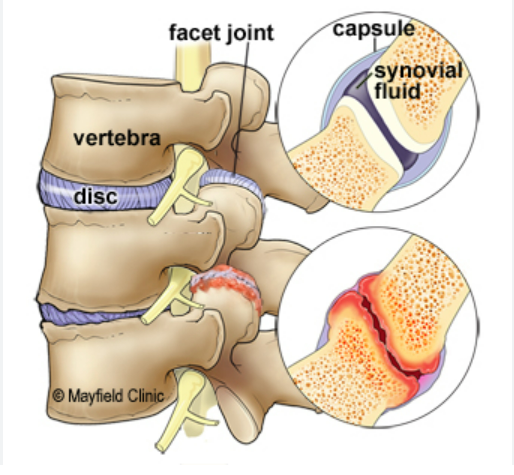
Facet Joint Syndrome is a common spinal condition that causes pain, stiffness, and reduced mobility in the neck or lower back. The facet joints are small joints located between the vertebrae that provide stability and allow smooth spinal movement. When these joints become inflamed, irritated, or degenerate due to aging, injury, or repetitive stress, they can lead to persistent pain and restricted movement.
At Indu Physiotherapy Clinic, we provide comprehensive, evidence-based Facet Joint Syndrome Treatment designed to relieve pain, restore spinal mobility, improve posture, and help you return to your daily activities safely. Our personalized physiotherapy programs focus on treating the root cause of your symptoms rather than simply masking the pain.
Facet Joint Syndrome is a condition in which one or more facet joints of the spine become painful due to inflammation, degeneration, arthritis, injury, or excessive mechanical stress. It can affect the cervical (neck), thoracic (mid-back), or lumbar (lower back) spine.
The condition may develop gradually with age or occur suddenly following an injury or repetitive strain. Without proper treatment, it can significantly affect daily activities, work performance, and overall quality of life.
Early diagnosis and physiotherapy can effectively reduce pain, restore normal movement, and prevent recurrence.
Several factors can contribute to facet joint pain, including:
Common symptoms include:
Facet Joint Syndrome commonly affects:
At Indu Physiotherapy Clinic, every patient receives a detailed clinical evaluation.
Our assessment includes:
Based on your findings, we develop an individualized rehabilitation plan tailored to your condition and recovery goals.
Hands-on mobilization techniques help improve joint movement, reduce stiffness, and relieve pain.
Gentle spinal mobilization restores normal movement of the affected facet joints.
Customized strengthening and stretching exercises improve spinal stability, flexibility, and function.
Exercises targeting the abdominal and back muscles provide better spinal support and reduce stress on the facet joints.
Treatment of surrounding muscles helps decrease muscle spasm and improve circulation.
Where clinically appropriate, dry needling may be used to relieve muscle trigger points and reduce pain.
Evidence-based modalities such as TENS, IFT, or therapeutic ultrasound may be incorporated to assist pain management.
Education and training help improve sitting, standing, and lifting posture to reduce strain on the spine.
A personalized home exercise plan supports long-term recovery and helps prevent future flare-ups.
Physiotherapy can help you:
Protect your spine with these healthy habits:
Yes. Physiotherapy is one of the most effective non-surgical treatments for Facet Joint Syndrome. It helps reduce pain, improve mobility, strengthen supporting muscles, and restore normal spinal function.
The number of sessions depends on the severity of your symptoms, the affected spinal region, and your individual rehabilitation goals. Your physiotherapist will recommend a customized treatment plan after your assessment.
Yes, but exercises should be prescribed by a physiotherapist. Specific strengthening and mobility exercises help reduce pain and improve spinal stability while avoiding movements that aggravate symptoms.
Most patients improve significantly with conservative treatment, including physiotherapy, activity modification, and exercise. Surgery is rarely required and is usually considered only after specialist evaluation when conservative treatment has not been successful.
Seek physiotherapy if you experience:
Early physiotherapy can help relieve symptoms and prevent long-term spinal dysfunction.
Most oral emergencies relate to pain, bleeding, or thoracic pain and should be attended by a Physiotherapist.
We will send you a confirmation within 24 hours. Emergency? Call +91-9289 059 265
Most oral emergencies relate to pain, bleeding, or thoracic pain and should be attended by a Physiotherapist.