(+91) 9289 059 265induphysiotherapy@gmail.com

Slip Disc Physiotherapy Treatment

Slip Disc Physiotherapy Treatment – Effective Non-Surgical Back Pain Relief

Get Lasting Relief with Expert Slip Disc Physiotherapy Treatment

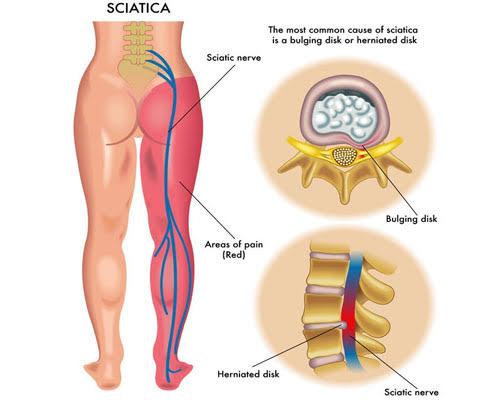
A slip disc, also known as a herniated disc, prolapsed disc, or disc bulge, is one of the most common causes of lower back pain, neck pain, leg pain (sciatica), and numbness. It occurs when the soft inner portion of an intervertebral disc pushes through its outer layer, irritating nearby nerves.

At Indu Physiotherapy Clinic, we offer evidence-based Slip Disc Physiotherapy Treatment to reduce pain, improve mobility, strengthen the spine, and help patients return to their normal activities without surgery whenever appropriate. Our personalized rehabilitation programs focus on addressing the root cause rather than simply masking symptoms.

What is a Slip Disc?

The spine consists of bones (vertebrae) separated by soft cushioning discs that absorb shock and allow movement. A slip disc occurs when the disc’s inner gel-like material protrudes through a tear in the outer layer, placing pressure on nearby spinal nerves.

Although commonly called a “slipped disc,” the disc does not actually slip. Instead, it bulges or herniates, causing inflammation and nerve compression.

Slip discs most commonly occur in:

  • Lumbar spine (Lower Back)
  • Cervical spine (Neck)
  • Rarely in the Thoracic spine (Upper Back)

How Physiotherapy Helps Treat a Slip Disc

Physiotherapy is considered one of the first-line conservative treatments for most uncomplicated slip discs. A structured rehabilitation program can reduce pain, improve function, and decrease the likelihood of surgery by restoring movement, strengthening spinal support muscles, and improving posture. Evidence-based clinical guidelines recommend exercise therapy and patient education for many cases of low back pain with or without disc involvement.

Benefits include:

  • Reduced back and leg pain
  • Relief from nerve compression symptoms
  • Improved spinal flexibility
  • Increased core strength
  • Better posture
  • Improved walking ability
  • Faster recovery
  • Reduced recurrence
  • Better quality of life

Common Symptoms of a Slip Disc

Symptoms vary depending on the affected disc and nerve.

Common symptoms include:

  • Lower back pain
  • Neck pain
  • Sciatica (Pain radiating down the leg)
  • Numbness or tingling
  • Muscle weakness
  • Difficulty standing for long periods
  • Pain while bending
  • Pain while sitting
  • Leg weakness
  • Foot numbness
  • Difficulty walking
  • Stiffness in the back
  • Reduced spinal movement

Seek urgent medical attention if you experience loss of bladder or bowel control, numbness around the groin (saddle anesthesia), or rapidly worsening weakness.

Causes of Slip Disc

Several factors increase the risk of developing a slipped disc:

  • Age-related disc degeneration
  • Improper lifting techniques
  • Poor posture
  • Repetitive bending
  • Heavy physical work
  • Obesity
  • Sedentary lifestyle
  • Sudden twisting injuries
  • Sports injuries
  • Smoking
  • Weak core muscles

Risk Factors

You may be at greater risk if you:

  • Sit for prolonged periods
  • Frequently lift heavy objects
  • Drive long distances
  • Have poor workplace ergonomics
  • Are overweight
  • Do not exercise regularly
  • Have a family history of spinal disorders

How We Assess Slip Disc Problems

Our physiotherapists perform a detailed assessment before starting treatment.

This includes:

  • Medical history review
  • Posture assessment
  • Spinal mobility examination
  • Muscle strength testing
  • Neurological assessment
  • Reflex examination
  • Sensory testing
  • Walking analysis
  • Functional movement assessment
  • Special orthopedic tests

When necessary, MRI reports and physician recommendations are also reviewed to design the most appropriate rehabilitation plan.

Our Slip Disc Physiotherapy Treatment

Each treatment plan is customized according to the patient’s symptoms, MRI findings, lifestyle, and recovery goals.

Pain Relief Therapy

Gentle techniques to reduce inflammation and relieve pain.

Manual Therapy

Hands-on techniques to improve spinal mobility and reduce stiffness.

McKenzie Extension Therapy

A commonly used exercise-based approach for selected patients with disc-related pain.

Core Strengthening Exercises

Strengthening the abdominal and spinal muscles to stabilize the spine.

Postural Correction

Teaching correct sitting, standing, lifting, and sleeping positions.

Stretching Exercises

Improving flexibility in tight muscles surrounding the spine.

Nerve Mobilization

Exercises designed to reduce nerve irritation and improve mobility.

Spinal Stabilization Exercises

Improving control of the muscles that support the spine.

Functional Rehabilitation

Helping patients safely return to work, sports, and daily activities.

Home Exercise Program

A personalized home program to maintain recovery and reduce the risk of recurrence.

Benefits of Slip Disc Physiotherapy Treatment

With regular physiotherapy, many patients experience:

  • Reduced pain
  • Improved flexibility
  • Better spinal alignment
  • Stronger core muscles
  • Improved posture
  • Increased mobility
  • Reduced muscle spasms
  • Better nerve function
  • Improved daily activity performance
  • Lower risk of future episodes

Who Can Benefit from Slip Disc Physiotherapy?

Our rehabilitation program is suitable for people with:

  • Lumbar disc herniation
  • Cervical disc herniation
  • Sciatica
  • Disc bulge
  • Chronic back pain
  • Neck pain
  • Nerve compression symptoms
  • Post-surgical spinal rehabilitation (as advised by a surgeon)
  • Recurrent slipped disc problems

Why Choose Indu Physiotherapy Clinic?

We provide comprehensive, patient-centered spinal rehabilitation with a focus on long-term recovery.

Our Advantages

  • Experienced Physiotherapists
  • Personalized Treatment Plans
  • Evidence-Based Rehabilitation
  • One-on-One Therapy Sessions
  • Modern Physiotherapy Techniques
  • Exercise-Based Recovery
  • Posture & Ergonomic Education
  • Home Exercise Guidance
  • Focus on Preventing Recurrence

Tips to Prevent a Slip Disc

Protect your spine by:

  • Maintaining proper posture
  • Exercising regularly
  • Strengthening your core muscles
  • Avoiding heavy lifting without proper technique
  • Taking breaks during prolonged sitting
  • Maintaining a healthy body weight
  • Sleeping on a supportive mattress
  • Staying physically active

Frequently Asked Questions (FAQs)

Can a slip disc heal without surgery?

Yes. Many people recover with conservative treatment, including physiotherapy, activity modification, and appropriate exercises, although recovery time varies. Treatment decisions should be guided by a healthcare professional.

How long does physiotherapy take for a slip disc?

Many patients notice improvement within a few weeks, but full rehabilitation may take several weeks to a few months depending on the severity of the condition and adherence to the exercise program.

Is walking good for a slip disc?

For many people, gentle walking is beneficial, but the amount and intensity should be guided by your physiotherapist based on your symptoms.

Can physiotherapy prevent surgery?

In many uncomplicated cases, physiotherapy helps reduce symptoms and restore function, allowing patients to avoid surgery. However, surgery may still be necessary for severe nerve compression or neurological deficits.

Can I exercise with a slipped disc?

Yes, but only under professional guidance. Specific exercises are chosen based on your symptoms and stage of recovery.


What is Back and Neck Pain?

Back and neck pain refers to discomfort affecting the muscles, joints, ligaments, discs, nerves, or bones of the spine. The pain may be mild and temporary or severe and persistent, sometimes spreading into the shoulders, arms, hips, or legs.

Without appropriate treatment, spinal pain can gradually reduce flexibility, weaken muscles, and affect overall quality of life. Early physiotherapy helps restore normal movement and minimizes the risk of chronic pain.


Common Causes of Back and Neck Pain

Several factors can contribute to spinal pain, including:

  • Poor sitting and standing posture
  • Long hours working on computers or mobile devices
  • Muscle strain and ligament injuries
  • Herniated or slipped discs
  • Cervical and lumbar spondylosis
  • Sciatica
  • Degenerative disc disease
  • Arthritis affecting the spine
  • Sports injuries
  • Road traffic accidents
  • Heavy lifting or repetitive movements
  • Weak core muscles
  • Obesity and lack of physical activity

Symptoms of Back and Neck Pain

You may experience:

  • Persistent neck or back pain
  • Stiffness and reduced flexibility
  • Pain while sitting, standing, or walking
  • Difficulty bending or turning
  • Muscle tightness or spasms
  • Pain radiating into the shoulder, arm, buttock, or leg
  • Tingling or numbness
  • Headaches associated with neck stiffness
  • Weakness in the arms or legs
  • Difficulty sleeping because of pain

Conditions We Treat

Our physiotherapists manage a wide range of spinal conditions, including:

  • Acute and chronic low back pain
  • Mechanical neck pain
  • Cervical spondylosis
  • Lumbar spondylosis
  • Sciatica
  • Slipped (Herniated) Disc
  • Degenerative Disc Disease
  • Postural syndrome
  • Muscle strain
  • Whiplash injury
  • Facet joint dysfunction
  • Sacroiliac joint pain
  • Spinal arthritis
  • Work-related spinal pain
  • Sports-related back injuries

Our Physiotherapy Assessment

Every treatment begins with a detailed clinical assessment, including:

  • Complete medical history
  • Pain evaluation
  • Posture assessment
  • Spine mobility testing
  • Muscle strength evaluation
  • Joint movement analysis
  • Nerve function assessment
  • Functional movement screening
  • Gait analysis (if required)

This comprehensive assessment helps us identify the underlying cause and develop an individualized treatment plan.


Our Back and Neck Pain Physiotherapy Treatments

Depending on your condition, treatment may include:

Manual Therapy

Hands-on techniques to reduce joint stiffness, relieve muscle tension, and improve spinal mobility.

Therapeutic Exercises

Customized stretching, strengthening, and stabilization exercises to restore normal movement.

Posture Correction

Ergonomic advice and postural retraining for work, driving, and daily activities.

Core Strengthening

Exercises to improve spinal stability and reduce future injury risk.

Dry Needling

Targeted treatment for muscle trigger points where clinically appropriate.

Soft Tissue Mobilization

Techniques to relieve muscle tightness and improve circulation.

Electrotherapy

Pain-relieving modalities such as IFT, TENS, Ultrasound Therapy, or other evidence-based interventions when indicated.

Heat and Cold Therapy

Used to reduce pain, inflammation, and muscle spasms.

Home Exercise Program

Personalized exercises designed to accelerate recovery and maintain long-term spinal health.


Benefits of Physiotherapy for Back and Neck Pain

Physiotherapy offers several long-term benefits:

  • Reduces pain naturally
  • Restores spinal mobility
  • Improves posture
  • Strengthens supporting muscles
  • Enhances flexibility
  • Improves balance and body mechanics
  • Speeds recovery
  • Prevents recurrence
  • Reduces dependence on pain medication
  • Improves quality of life
  • Supports safe return to work, sports, and daily activities

Why Choose Indu Physiotherapy Clinic?

  • Experienced physiotherapists
  • Individualized treatment plans
  • Evidence-based rehabilitation
  • Modern physiotherapy techniques
  • One-to-one patient care
  • Focus on long-term recovery
  • Comprehensive exercise guidance
  • Patient education for self-management
  • Comfortable and friendly treatment environment

Prevention Tips for Back and Neck Pain

Protect your spine by following these healthy habits:

  • Maintain proper posture while sitting and standing.
  • Take movement breaks every 30–45 minutes during desk work.
  • Strengthen your core muscles regularly.
  • Lift heavy objects using proper body mechanics.
  • Use ergonomic furniture whenever possible.
  • Stay physically active.
  • Sleep on a supportive mattress and pillow.
  • Maintain a healthy body weight.
  • Stretch daily to improve flexibility.

Frequently Asked Questions

Can physiotherapy cure back and neck pain?

Many patients experience significant improvement or complete recovery through physiotherapy, particularly when treatment begins early and home exercises are followed consistently.

How many physiotherapy sessions will I need?

The number of sessions depends on your diagnosis, pain severity, physical condition, and treatment goals. After your assessment, your physiotherapist will recommend a personalized rehabilitation plan.

Is physiotherapy better than taking painkillers?

Pain medications may provide temporary symptom relief, whereas physiotherapy addresses the underlying causes by improving movement, strength, and function, helping reduce the likelihood of recurring pain.

When should I visit a physiotherapist?

You should seek physiotherapy if your back or neck pain lasts more than a few days, keeps returning, limits daily activities, or is accompanied by stiffness, numbness, weakness, or radiating pain.


Book Your Physiotherapy Consultation Today

Don’t let back or neck pain limit your lifestyle. Our expert physiotherapists are committed to helping you move comfortably, recover confidently, and return to the activities you enjoy.

Monday8:30am–9:30pm
Tuesday8:30am–9:30pm
Wednesday8:30am–9:30pm
Thursday8:30am–9:30pm
Friday8:30am–9:30pm
Saturday8:30am–9:30pm
Sunday9:30am–9:30pm
+91-9289 059 265

Most oral emergencies relate to pain, bleeding, or thoracic pain and should be attended by a Physiotherapist.

Make an appointment

We will send you a confirmation within 24 hours. Emergency? Call +91-9289 059 265

Most oral emergencies relate to pain, bleeding, or thoracic pain and should be attended by a Physiotherapist.

    Working Hours

    Monday 8:30am–9:30pm
    Tuesday8:30am–9:30pm
    Wednesday8:30am–9:30pm
    Thursday8:30am–9:30pm
    Friday8:30am–9:30pm
    Saturday8:30am–9:30pm
    Sunday8:30am–9:30pm
    Meet the professional therapist team

    Get started with Indu Physiotherapy Clinic!