Slip Disc Physiotherapy Treatment: How Physiotherapy Helps Relieve Pain and Improve Movement
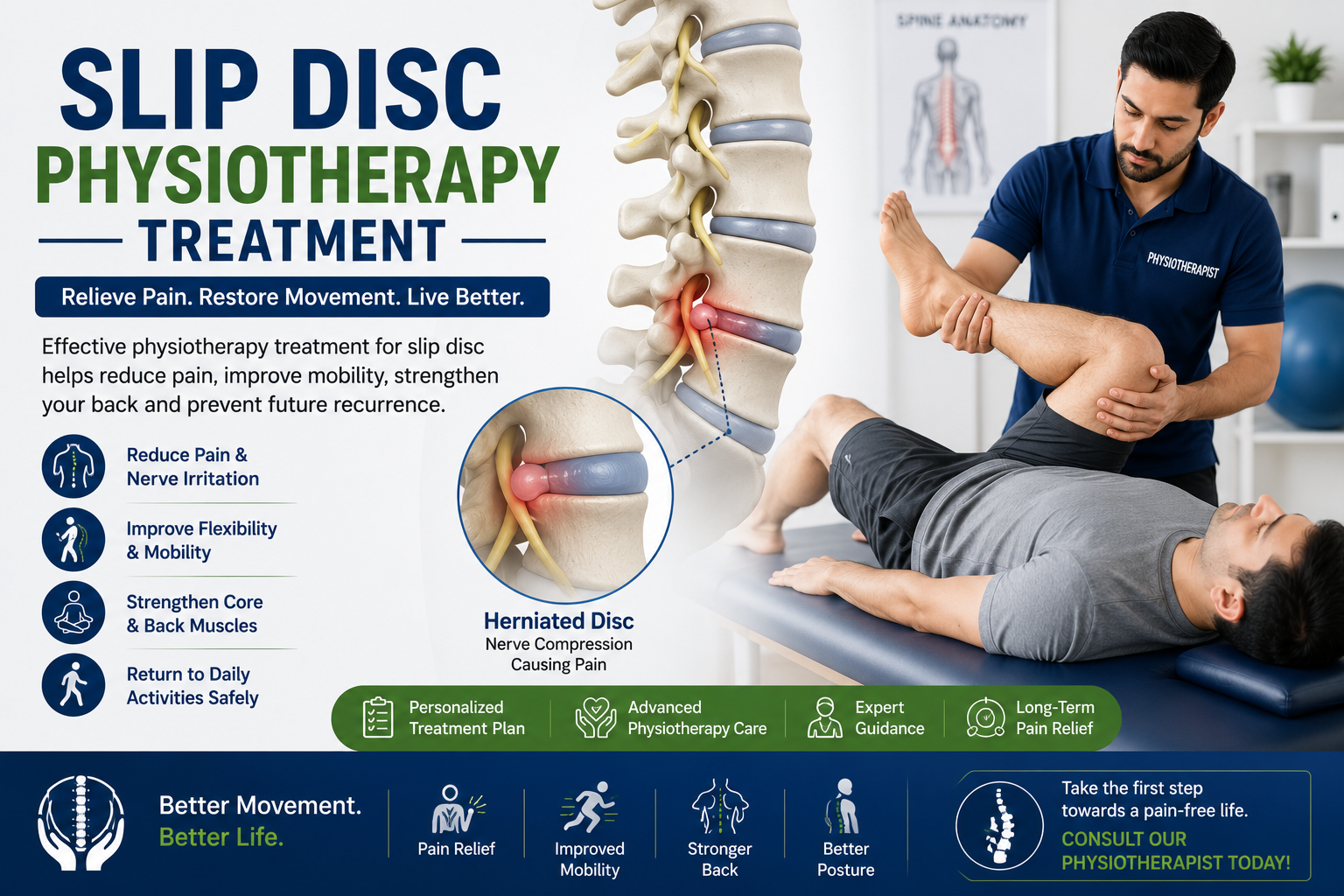
A slip disc, commonly referred to as a herniated disc or slipped disc, can cause lower back pain, stiffness, tingling, numbness, or pain that travels into the buttock and leg. These symptoms can make sitting, walking, bending, working, and sleeping difficult.
Fortunately, many people with disc-related back pain can improve with appropriate conservative treatment. Physiotherapy for slip disc focuses on reducing symptoms, restoring movement, improving strength, and helping patients safely return to their normal activities.
This comprehensive guide explains how physiotherapy helps with slip disc, common physiotherapy treatments, exercises, precautions, and when medical evaluation may be necessary.
What Is a Slip Disc?
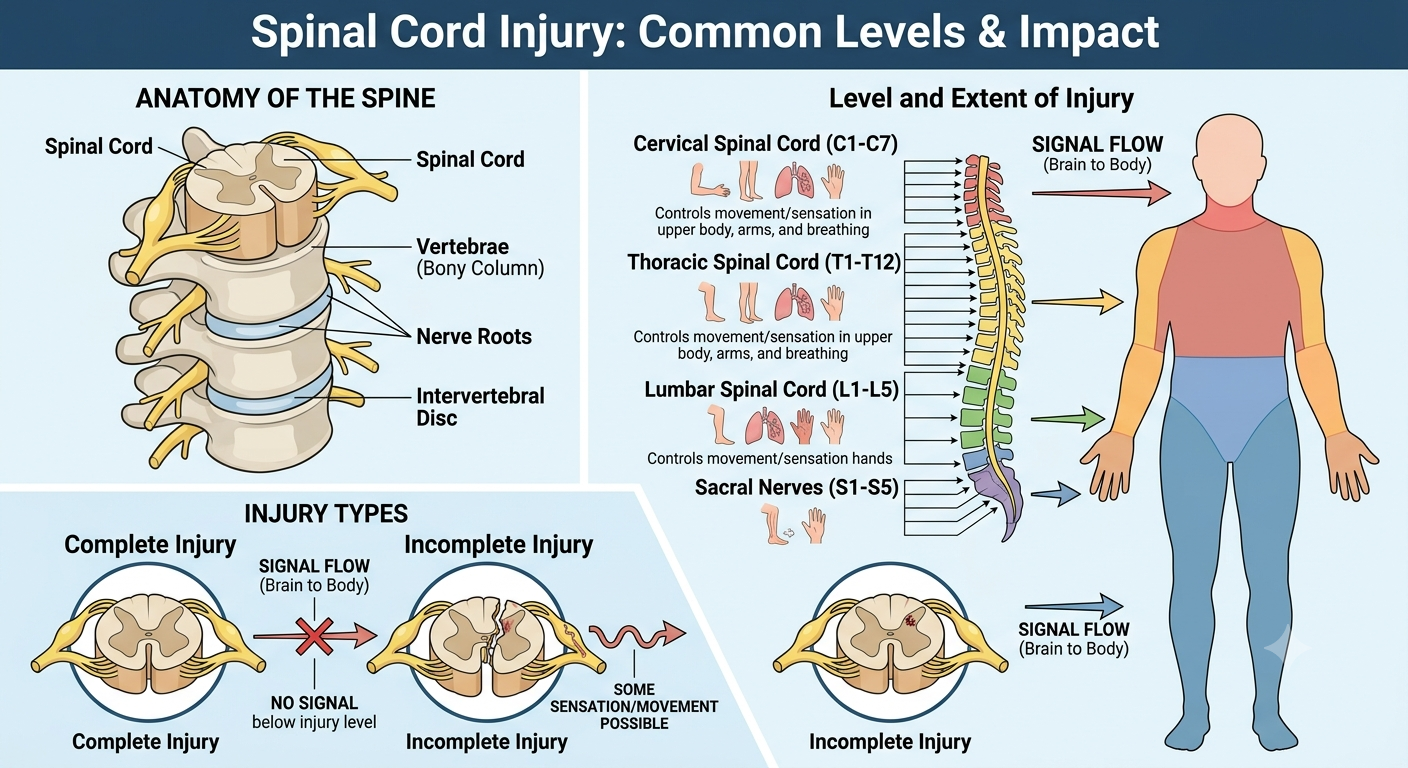
The spine consists of individual bones called vertebrae. Between most vertebrae are soft discs that help absorb shock and allow movement.
A slipped disc occurs when material from a spinal disc protrudes or herniates beyond its normal boundaries. If the disc irritates or compresses a nearby nerve, it can cause symptoms such as pain, tingling, numbness, or weakness.
A slipped disc can occur in different parts of the spine, but lumbar disc herniation in the lower back is particularly common.
Common Causes of Slip Disc
Several factors may contribute to disc problems, including:
- Age-related changes in the spine
- Repetitive bending or lifting
- Poor lifting techniques
- Sudden twisting movements
- Repetitive physical work
- Prolonged inactivity
- Previous back problems
- Reduced muscle strength
- Increased physical load
- Sports-related injuries
In many cases, there is no single identifiable event that causes a disc herniation.
Symptoms of Slip Disc
Symptoms depend on the location and severity of the disc problem.
Common symptoms include:
- Lower back pain
- Buttock pain
- Leg pain
- Numbness or tingling
- Muscle weakness
- Stiffness
- Difficulty bending
- Difficulty sitting for long periods
- Pain while coughing or sneezing in some cases
- Difficulty walking in more severe cases
When a lumbar disc affects a nerve root, pain may travel down the leg, commonly referred to as sciatica.
Slip Disc and Sciatica: Are They the Same?
No.
A slip disc describes a structural problem involving a spinal disc, while sciatica describes symptoms caused by irritation or compression of the sciatic nerve or its nerve roots.
A herniated lumbar disc can cause sciatica, but not everyone with a slipped disc develops sciatica.
How Physiotherapy Helps With Slip Disc
Physiotherapy is commonly used as part of conservative management for people with appropriate disc-related back pain.
A physiotherapist can assess your symptoms, movement, strength, flexibility, neurological signs, and functional limitations before developing an individualized treatment plan.
Depending on the assessment, treatment may include:
- Pain-management strategies
- Therapeutic exercises
- Core strengthening
- Hip strengthening
- Mobility exercises
- Neural mobility exercises
- Movement retraining
- Manual therapy when appropriate
- Ergonomic advice
- Activity modification
- Home exercise programs
The goal is not simply to treat the disc itself but to help improve your symptoms and restore your ability to move and function.
1. Physiotherapy Assessment for Slip Disc
A detailed assessment is an important first step.
Your physiotherapist may assess:
- Location of pain
- Pain intensity
- Back movement
- Leg movement
- Muscle strength
- Sensation
- Reflexes when clinically indicated
- Walking pattern
- Functional activities
- Sitting tolerance
- Bending and lifting movements
The assessment helps determine whether physiotherapy is appropriate and whether further medical investigation may be required.
2. Pain Management
During the early stages, reducing aggravating activities may help manage symptoms.
A physiotherapist may advise you on:
- Comfortable positions
- Appropriate movement
- Activity modification
- Sleep positioning
- Gentle exercises
- Gradual return to activity
The aim is generally not complete bed rest. Prolonged inactivity can contribute to deconditioning and may make returning to normal activity more difficult.
3. Therapeutic Exercises
Exercise is an important component of physiotherapy for many people with low back pain and disc-related symptoms.
Your physiotherapist may prescribe exercises based on your symptoms and movement response.
These may include:
- Core stabilization
- Hip strengthening
- Back strengthening
- Mobility exercises
- Walking
- Functional strengthening
- Neural mobility exercises when appropriate
Exercises should be progressed gradually.
4. Core Strengthening
The muscles around your abdomen, pelvis, back, and hips contribute to trunk control during everyday activities.
Core exercises may help improve:
- Trunk stability
- Movement control
- Functional strength
- Confidence with movement
- Tolerance for daily activities
Examples may include modified abdominal exercises, bridges, bird-dog variations, and other stabilization exercises selected according to your condition.
5. Hip and Glute Strengthening
The hip and gluteal muscles play an important role in walking, standing, lifting, and other movements.
Strengthening these muscles may help improve overall movement capacity and reduce excessive reliance on the lower back during certain activities.
Possible exercises include:
- Glute bridges
- Sit-to-stand exercises
- Hip abduction
- Step exercises
- Functional strengthening
The exercises should be individualized rather than performed solely based on an online list.
6. Neural Mobility Exercises
Some people with disc-related nerve irritation experience symptoms that travel into the buttock or leg.
A physiotherapist may assess whether neural mobility exercises, sometimes called nerve gliding exercises, are appropriate.
These exercises aim to promote comfortable movement of the nervous system rather than aggressively stretching an irritated nerve.
They should be performed under professional guidance when significant nerve symptoms are present.
7. Mobility Exercises
Depending on the individual, physiotherapy may include exercises designed to improve comfortable movement of the:
- Lumbar spine
- Hips
- Thoracic spine
- Lower limbs
The type of movement prescribed depends on your symptoms.
There is no single “best” movement for every person with a slipped disc.
8. Manual Therapy
When appropriate, a physiotherapist may use hands-on techniques as part of treatment.
Manual therapy may provide short-term symptom relief and help some patients move more comfortably.
However, it is generally best used alongside active rehabilitation rather than as the only treatment.
9. Posture and Movement Education
There is no single perfect posture that prevents disc problems.
Instead, physiotherapy can help you understand:
- How to change positions regularly
- How to bend comfortably
- How to lift objects safely
- How to sit for work
- How to return to exercise
- How to gradually increase activity
Learning how to move confidently can be an important part of recovery.
10. Ergonomic Advice for Office Workers
If you work at a desk, prolonged sitting may aggravate your symptoms.
A physiotherapist may recommend:
- Adjusting chair height
- Positioning your monitor appropriately
- Keeping frequently used items within reach
- Using a suitable desk setup
- Taking regular movement breaks
- Alternating between sitting and standing when appropriate
The goal is to avoid prolonged static positions and encourage regular movement.
Best Exercises for Slip Disc
There is no universally best exercise for a slipped disc. The right exercises depend on the location of symptoms, nerve involvement, physical condition, and how your symptoms respond to movement.
Common exercise categories may include:
Walking
Walking can help maintain general physical activity and reduce prolonged inactivity.
Core Stabilization
Gentle stabilization exercises can help develop trunk control.
Glute Bridges
Bridges can strengthen the gluteal muscles and improve hip function.
Bird-Dog Exercise
Bird-dog variations can develop trunk stability and coordination.
Gentle Mobility Exercises
Appropriate mobility exercises can help maintain comfortable movement.
Nerve Gliding Exercises
These may be appropriate for selected people with nerve-related symptoms.
Important: Do not start or intensify exercises solely because they are labelled as “slip disc exercises.” If an exercise causes significant worsening of pain, numbness, or weakness, stop and consult a healthcare professional.
Exercises to Avoid With Slip Disc
There is no universal list of exercises that everyone with a slipped disc must avoid.
However, during an acute flare-up, exercises or activities that significantly increase your symptoms may need to be temporarily modified.
Depending on your condition, your physiotherapist may advise you to temporarily modify:
- Heavy lifting
- Repeated bending
- Forceful twisting
- High-impact activity
- Heavy spinal loading
- Exercises that significantly increase leg pain
As symptoms improve, activities can often be gradually reintroduced.
How Long Does Slip Disc Physiotherapy Take?
Recovery time varies considerably.
It depends on:
- Severity of symptoms
- Whether a nerve is irritated
- Duration of symptoms
- Muscle strength
- Activity levels
- General health
- Work demands
- Exercise adherence
- Response to treatment
Many people improve with conservative treatment, but persistent or progressive neurological symptoms require medical reassessment.
Can a Slip Disc Heal Without Surgery?
Many people with lumbar disc herniation improve without surgery.
Treatment may involve:
- Physiotherapy
- Exercise
- Activity modification
- Pain management
- Medical care when necessary
The decision about surgery depends on the individual’s symptoms, neurological findings, imaging when appropriate, response to conservative treatment, and overall clinical situation.
A disc herniation seen on an MRI does not automatically mean that surgery is required.
When Is Surgery Considered?
Surgery may be considered in selected cases, particularly when symptoms are severe, persistent, or associated with significant neurological problems.
A doctor or spine specialist should evaluate these situations.
Physiotherapy may still play an important role before or after surgery, depending on the patient’s condition and medical recommendations.
Slip Disc Physiotherapy After Surgery
Physiotherapy can also be useful following spinal surgery when cleared by the treating medical team.
Rehabilitation may focus on:
- Safe mobility
- Walking
- Core and hip strengthening
- Functional activities
- Gradual return to work
- Body mechanics
- Exercise progression
The rehabilitation plan should follow the surgeon’s precautions and individual recovery status.
How to Sit With a Slip Disc
If sitting increases your symptoms:
- Use a comfortable chair.
- Keep your feet supported.
- Avoid remaining in one position for prolonged periods.
- Change position regularly.
- Take short walking breaks.
- Adjust your workstation.
- Follow your physiotherapist’s recommended sitting position.
Rather than trying to maintain a rigid posture all day, focus on comfortable positioning and regular movement.
How to Sleep With Slip Disc Pain
Sleep positions vary from person to person.
Some people find comfort when:
- Sleeping on their side with appropriate support between the knees
- Sleeping on their back with comfortable support under the knees
- Avoiding positions that clearly aggravate symptoms
The most suitable position is the one that allows you to sleep comfortably without significantly worsening your symptoms.
How to Lift Safely With a Slip Disc
If your physiotherapist or doctor has cleared you for lifting:
- Assess the load before lifting.
- Keep the object close to your body.
- Avoid sudden twisting.
- Move smoothly.
- Use your hips and legs.
- Avoid lifting loads that are too heavy for your current capacity.
- Ask for assistance with heavy or awkward objects.
As recovery progresses, lifting capacity can usually be developed gradually through rehabilitation.
Can Physiotherapy Prevent Slip Disc Recurrence?
Physiotherapy cannot guarantee that a disc problem will never recur.
However, rehabilitation can help you develop better physical capacity and self-management skills.
This may include:
- Strengthening exercises
- Regular physical activity
- Improved movement capacity
- Appropriate lifting techniques
- Workstation modifications
- Weight management where appropriate
- Gradual exercise progression
- Understanding symptom flare-ups
When Should You See a Physiotherapist for Slip Disc?
Consider consulting a physiotherapist if you have:
- Persistent lower back pain
- Recurrent back pain
- Pain extending into the leg
- Muscle tightness
- Reduced movement
- Difficulty sitting or walking
- Difficulty returning to exercise
- Pain affecting work or daily activities
A physiotherapist can assess whether your symptoms are appropriate for physiotherapy and recommend further medical evaluation when necessary.
Red Flag Symptoms: When to Seek Urgent Medical Care
Most cases of low back pain are not emergencies. However, new bowel or bladder problems, numbness around the groin or saddle area, or significant/progressive weakness in the legs require urgent medical assessment.
You should also seek prompt medical attention for severe back pain following significant trauma, fever with severe back pain, or rapidly worsening neurological symptoms.
Do not attempt to manage these symptoms with home exercises alone.
Slip Disc Physiotherapy Treatment in Gurgaon
If you are searching for Slip Disc Physiotherapy Treatment in Gurgaon, a professional assessment can help determine the most appropriate treatment approach for your symptoms.
At Indu Physiotherapy Clinic, treatment can be personalized according to your pain, mobility, strength, neurological symptoms, work requirements, and rehabilitation goals. Depending on your assessment, physiotherapy may include therapeutic exercises, core and hip strengthening, mobility training, movement retraining, ergonomic guidance, manual techniques when appropriate, and a personalized home exercise program.
If you have significant numbness, weakness, or bowel/bladder symptoms, medical evaluation should take priority.
Frequently Asked Questions About Slip Disc Physiotherapy
Can physiotherapy cure a slipped disc?
Physiotherapy does not literally “cure” every disc herniation. However, it can help many people manage symptoms, improve movement and strength, and return to normal activities without surgery.
Is physiotherapy good for slip disc?
Physiotherapy can be an effective conservative treatment approach for many people with disc-related back pain, particularly when combined with appropriate exercise and activity modification.
Can I walk with a slipped disc?
Walking is often encouraged as tolerated for people with uncomplicated low back pain, but the appropriate amount depends on your symptoms. If walking significantly increases leg pain, numbness, or weakness, seek professional advice.
Which exercise is best for slip disc?
There is no single best exercise. A physiotherapist can select exercises according to your symptoms, movement pattern, strength, and neurological status.
Can slip disc be treated without surgery?
Many people improve with conservative management, including exercise-based physiotherapy and appropriate medical care. Surgery is reserved for selected cases.
Can physiotherapy help sciatica caused by a slipped disc?
Yes. Physiotherapy may help manage symptoms associated with lumbar disc-related sciatica through education, exercise, movement retraining, and gradual return to activity.
Should I rest completely when I have a slipped disc?
Complete bed rest is generally not recommended for uncomplicated low back pain. Appropriate gentle activity is often preferable, but your activity level should be adjusted according to your symptoms and medical advice.
Can I exercise after a slipped disc?
Yes, most people can gradually return to exercise as symptoms improve. The type and intensity of exercise should be progressed appropriately.
Conclusion
Slip disc physiotherapy treatment focuses on reducing pain, improving movement, restoring strength, and helping patients safely return to everyday activities. Physiotherapy may include therapeutic exercises, core and hip strengthening, mobility training, neural mobility when appropriate, ergonomic advice, movement retraining, and activity modification.
Many people with disc-related back pain improve with conservative management, but treatment should be individualized. Persistent, severe, or progressive neurological symptoms require appropriate medical assessment.
If you are experiencing back or leg pain related to a suspected slipped disc, consult a qualified physiotherapist or healthcare professional for a proper assessment and personalized treatment plan.
SEO Information
Primary Keyword:
Slip Disc Physiotherapy Treatment
Secondary Keywords:
- Slip Disc Treatment
- Slip Disc Physiotherapy
- Physiotherapy for Slip Disc
- Slipped Disc Treatment Without Surgery
- Slip Disc Exercises
- Slip Disc Treatment in Gurgaon
- Herniated Disc Physiotherapy
- Lumbar Disc Herniation Physiotherapy
- Physiotherapy for Herniated Disc
- Sciatica Physiotherapy Treatment
- Lower Back Pain Physiotherapy
- Slip Disc Pain Relief