(+91) 9289 059 265induphysiotherapy@gmail.com

Neuralgia Physiotherapy Tratment

Neuralgia Physiotherapy Tratment

Neuralgia Physiotherapy Treatment: Comprehensive Rehabilitation & Relief Guide

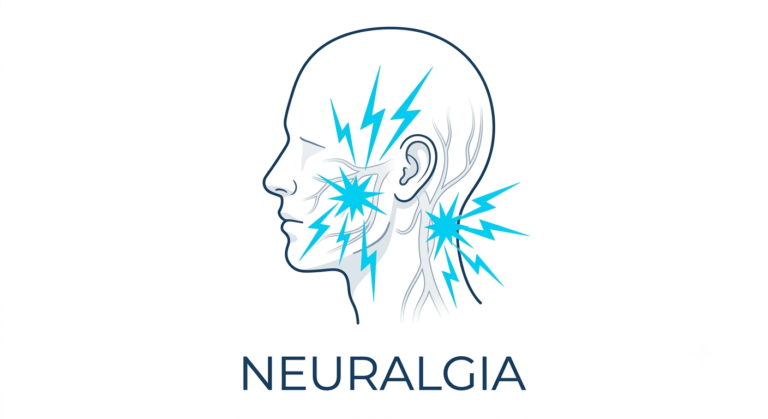
Neuralgia—characterized by sharp, burning, or shock-like nerve pain—occurs when peripheral or cranial nerves become irritated, inflamed, or compressed. Whether dealing with trigeminal neuralgia, occipital neuralgia, post-herpetic neuralgia, or sciatica, structured physical therapy provides non-invasive management to alleviate nerve sensitivity, improve mobility, and prevent recurring flare-ups.

 Clinical Pathway for Neuralgia Physical Therapy

[ Initial Clinical & Neurological Assessment ]
                      │
                      ▼
[ Phase 1: Acute Desensitization & Inflammation Control ]
  ├── Electrotherapy (TENS / Microcurrent)
  ├── Targeted Cryotherapy / Thermotherapy
  └── Gentle Soft Tissue Glides
                      │
                      ▼
[ Phase 2: Neural Mobilization & Tissue Release ]
  ├── Nerve Gliding & Tensioning Exercises
  ├── Myofascial Trigger Point Release
  └── Sub-Pain Threshold Manual Mobilization
                      │
                      ▼
[ Phase 3: Dynamic Stabilization & Functional Re-education ]
  ├── Postural Alignment & Core Stability
  ├── Progressive Resistance Strengthening
  └── Proprioceptive Neuromuscular Training
                      │
                      ▼
[ Phase 4: Long-Term Neuropathic Maintenance ]
  ├── Ergonomic Adaptation
  └── Daily At-Home Neural Gliding Routine

Neuralgia Classification & Symptom Mapping

                 [ COMMON NEURALGIA TYPES ]

   Trigeminal Neuralgia                 Occipital Neuralgia
┌─────────────────────────┐          ┌─────────────────────────┐
│ Sharp facial pain along │          │ Throbbing base-of-skull │
│ CN V branches (V1–V3).  │          │ radiating to forehead.  │
└────────────┬────────────┘          └────────────┬────────────┘
             │                                    │
             └─────────────────┬──────────────────┘
                               │
                               ▼
  ┌──────────────────────────────────────────────────────┐
  │ Intercostal & Peripheral Neuralgia / Sciatica        │
  │ Sharp, radiating nerve pain along trunk or limbs.    │
  └──────────────────────────────────────────────────────┘

Primary Signs & Symptoms

  • Sharp, Electric-Shock Sensations: Sudden bouts of intense, shooting pain triggered by minor contact or movements.

  • Allodynia & Hyperalgesia: Pain triggered by non-painful stimuli (such as light touch, clothing, or cool air).

  • Radiating Numbness or Tingling: Sensations traveling along specific dermatomal distributions.

  • Reflexive Muscle Guarding: Involuntary muscular tightness surrounding affected nerve pathways to prevent motion.

Core Components of Neuralgia Physiotherapy

                   [ TREATMENT MATRIX ]

    Passive Modalities                    Active Interventions
  ┌──────────────────┐                  ┌──────────────────┐
  │  Electrotherapy  │                  │  Nerve Gliding   │
  │  (TENS / IFT)    │                  │   Mobilization   │
  └────────┬─────────┘                  └────────┬─────────┘
           │                                     │
           └──────────────────┬──────────────────┘
                              │
                              ▼
            ┌──────────────────────────────────┐
            │ Manual Soft Tissue Release       │
            │ & Postural Re-alignment          │
            └──────────────────────────────────┘

1. Neurological Assessment

  • Dermatome & Myotome Testing: Mapping sensory changes and localized muscle weakness.

  • Neural Tension Tests: Straight Leg Raise (SLR), Slump Test, or Upper Limb Tension Tests (ULTT) to identify nerve entrapment sites.

2. Electromedical Modalities

  • Transcutaneous Electrical Nerve Stimulation (TENS): Delivers mild electrical currents to modify pain signaling at the spinal cord level (Gate Control Theory).

  • Interferential Therapy (IFT): Deep-tissue low-frequency electrical stimulation to relieve chronic neuropathic spasms.

3. Neural Mobilization (Nerve Flossing)

  • Gentle, oscillatory movements designed to restore free movement of peripheral nerves through surrounding anatomical tunnels, reducing intraneural edema and mechanosensitivity.

Essential Neural Gliding & Rehabilitation Exercises

Exercise Name Targeted Nerve Path Primary Clinical Benefit
Median Nerve Glide C5–T1 (Arm & Hand) Releases nerve entrapment in upper limbs and carpal tunnel regions.
Sciatic Nerve Flossing L4–S3 (Lower Limb) Reduces nerve adherence along the posterior thigh and calf.
Occipital Nerve Release C2–C3 (Base of Skull) Relieves suboccipital tightness causing nerve-compression headaches.
Suboccipital Chin Tucks Cervical Plexus Improves head alignment, taking physical stress off upper neck nerves.
                 [ IDEAL ERGONOMIC ALIGNMENT ]

                  [ Screen at Eye Level ]
                             │
     ( Neutral Spine ) ──────┼─── ( Minimal Neck Strain )
                             │
                    [ Supported Forearms ]
                             │
                [ Ergonomic Lumbar Support ]
  • Neutral Joint Positioning: Avoid prolonged end-range postures that place tensile stress on peripheral nerves.

  • Supportive Pillow Setup: Use contoured pillows to keep cervical and lumbar spines aligned neutrally during sleep.

  • Micro-Movement Breaks: Incorporate 60-second active movements every 30 to 45 minutes to prevent ischemia in peripheral nerve tissues.

Recovery Timelines for Neuralgia Rehabilitation

Acute Nerve Irritation      2–4 Weeks
Subacute Neuralgia           4–8 Weeks
Chronic Neuropathic Pain   8–12+ Weeks

Early intervention by a licensed physical therapist ensures precise neural mobilization, safe progression, and optimal neuropathic pain control.


GURGAON

Monday8:30am–9:30pm
Tuesday8:30am–9:30pm
Wednesday8:30am–9:30pm
Thursday8:30am–9:30pm
Friday8:30am–9:30pm
Saturday8:30am–9:30pm
Sunday9:30am–9:30pm
+91-9289 059 265

Most oral emergencies relate to pain, bleeding, or thoracic pain and should be attended by a Physiotherapist.

Make an appointment

We will send you a confirmation within 24 hours. Emergency? Call +91-9289 059 265

Most oral emergencies relate to pain, bleeding, or thoracic pain and should be attended by a Physiotherapist.

    Working Hours

    Monday 8:30am–9:30pm
    Tuesday8:30am–9:30pm
    Wednesday8:30am–9:30pm
    Thursday8:30am–9:30pm
    Friday8:30am–9:30pm
    Saturday8:30am–9:30pm
    Sunday8:30am–9:30pm
    Meet the professional therapist team

    Get started with Indu Physiotherapy Clinic!