(+91) 9289 059 265induphysiotherapy@gmail.com

Scoliosis Physiotherapy Treatment

Scoliosis physiotherapy treatment

Scoliosis Physiotherapy Treatment – Improve Posture, Strength & Spinal Alignment

Expert Scoliosis Physiotherapy Treatment for Better Spinal Health

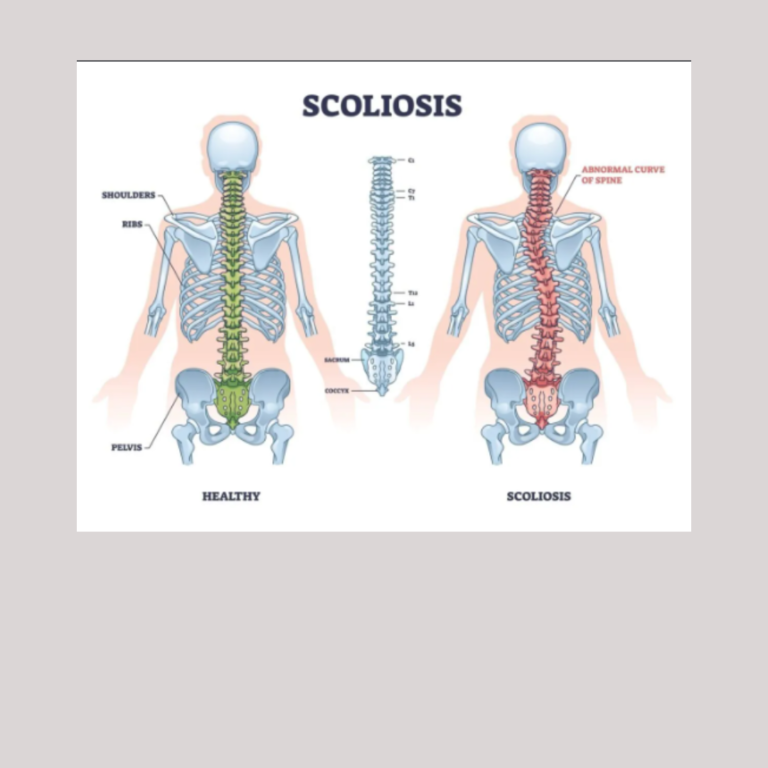
Scoliosis is a condition in which the spine curves sideways, often forming an “S” or “C” shape. While mild scoliosis may not cause noticeable symptoms, moderate to severe cases can lead to back pain, uneven shoulders, poor posture, muscle imbalance, and reduced mobility. At Indu Physiotherapy Clinic, we provide comprehensive Scoliosis Physiotherapy Treatment designed to improve posture, strengthen spinal muscles, reduce pain, and enhance overall function through personalized, evidence-based rehabilitation.

Our experienced physiotherapists create customized treatment plans based on the patient’s age, curve severity, symptoms, and functional goals. Whether you have adolescent scoliosis or adult degenerative scoliosis, our non-surgical rehabilitation approach focuses on helping you live an active and pain-free life.

What is Scoliosis?

Scoliosis is a three-dimensional spinal deformity in which the spine curves sideways and may also rotate. The condition can develop during childhood, adolescence, or adulthood. Some cases remain mild, while others may gradually progress if left untreated.

The most common types of scoliosis include:

  • Adolescent Idiopathic Scoliosis
  • Adult Degenerative Scoliosis
  • Congenital Scoliosis
  • Neuromuscular Scoliosis
  • Functional Scoliosis

Early diagnosis and physiotherapy can help improve posture, reduce discomfort, and support better spinal function.

Why is Physiotherapy Important for Scoliosis?

Physiotherapy plays a vital role in the conservative management of scoliosis. Specialized exercises help improve posture, strengthen core muscles, increase spinal mobility, reduce pain, and enhance balance. In many patients, physiotherapy also helps slow the progression of spinal curvature and improves overall quality of life.

Benefits of Physiotherapy

  • Improves posture
  • Reduces back pain
  • Strengthens spinal and core muscles
  • Improves flexibility
  • Enhances balance and coordination
  • Increases spinal stability
  • Improves breathing mechanics
  • Corrects muscle imbalance
  • Enhances daily function
  • Supports long-term spinal health

Common Symptoms of Scoliosis

Symptoms may vary depending on the severity of the spinal curve.

Common symptoms include:

  • Uneven shoulders
  • One shoulder blade more prominent
  • Uneven waistline
  • One hip higher than the other
  • Visible spinal curve
  • Chronic back pain
  • Muscle tightness
  • Poor posture
  • Fatigue after standing
  • Limited spinal flexibility
  • Rib prominence
  • Difficulty maintaining proper posture

Causes of Scoliosis

The exact cause depends on the type of scoliosis.

Possible causes include:

  • Unknown (Idiopathic)
  • Congenital spinal abnormalities
  • Degenerative changes due to aging
  • Neuromuscular disorders
  • Muscle imbalance
  • Spinal injuries
  • Previous spinal surgery
  • Leg length discrepancy (Functional scoliosis)

Risk Factors

The risk of scoliosis may increase due to:

  • Family history
  • Adolescence (rapid growth period)
  • Female gender (higher risk of progression in adolescent idiopathic scoliosis)
  • Degenerative spinal disease
  • Neurological conditions
  • Poor posture (functional contributors)
  • Muscle weakness

How We Assess Scoliosis

A detailed evaluation helps us develop the most effective treatment plan.

Our assessment includes:

  • Medical history review
  • Postural analysis
  • Spinal alignment assessment
  • Functional movement evaluation
  • Range of motion testing
  • Muscle strength assessment
  • Core stability testing
  • Flexibility assessment
  • Balance evaluation
  • Gait analysis

If available, X-rays and orthopedic reports are reviewed to understand the spinal curve and monitor progress.

Our Scoliosis Physiotherapy Treatment

Each rehabilitation program is individualized based on the patient’s spinal curve, age, symptoms, and lifestyle.

Postural Correction Therapy

Exercises that improve spinal alignment and body awareness.

Scoliosis-Specific Exercises

Customized corrective exercises designed to improve posture and spinal control.

Core Strengthening

Strengthening abdominal and back muscles to support the spine.

Spinal Stabilization Exercises

Improving control of the muscles that stabilize the spine.

Stretching Exercises

Reducing muscle tightness and improving flexibility.

Manual Therapy

Hands-on techniques to reduce stiffness and improve mobility where appropriate.

Breathing Exercises

Improving chest expansion and respiratory efficiency, particularly in more pronounced curves.

Balance and Coordination Training

Enhancing body control and movement efficiency.

Functional Rehabilitation

Helping patients perform work, sports, and daily activities with better posture and reduced discomfort.

Home Exercise Program

A personalized exercise plan to maintain long-term improvement between clinic visits.

Benefits of Scoliosis Physiotherapy Treatment

With regular physiotherapy, patients may experience:

  • Better posture
  • Reduced spinal discomfort
  • Improved flexibility
  • Increased muscle strength
  • Better core stability
  • Improved balance
  • Greater confidence in movement
  • Enhanced daily function
  • Improved quality of life
  • Reduced risk of future complications

Who Can Benefit from Scoliosis Physiotherapy?

Physiotherapy is suitable for individuals with:

  • Adolescent Idiopathic Scoliosis
  • Adult Degenerative Scoliosis
  • Functional Scoliosis
  • Mild to Moderate Scoliosis
  • Chronic back pain related to scoliosis
  • Poor posture
  • Muscle imbalance
  • Reduced spinal mobility
  • Post-surgical scoliosis rehabilitation (as advised by a surgeon)

Why Choose Indu Physiotherapy Clinic?

At Indu Physiotherapy Clinic, we provide personalized rehabilitation programs focused on improving spinal health and long-term function.

Our Advantages

  • Experienced Physiotherapists
  • Individualized Scoliosis Rehabilitation
  • Evidence-Based Treatment
  • One-on-One Therapy Sessions
  • Advanced Exercise Therapy
  • Posture Correction Programs
  • Manual Therapy Techniques
  • Home Exercise Guidance
  • Patient-Centered Care
  • Focus on Long-Term Results

Tips to Manage Scoliosis

Support your spinal health by:

  • Performing prescribed exercises regularly
  • Maintaining good posture
  • Staying physically active
  • Strengthening your core muscles
  • Avoiding prolonged sitting
  • Using proper ergonomic support
  • Maintaining a healthy body weight
  • Attending regular physiotherapy follow-ups

Frequently Asked Questions (FAQs)

Can physiotherapy cure scoliosis?

Physiotherapy cannot completely straighten structural scoliosis, but it can significantly improve posture, reduce pain, strengthen muscles, improve function, and help manage the condition effectively.

Is surgery always required?

No. Many patients with mild or moderate scoliosis are successfully managed with physiotherapy, observation, or bracing when appropriate. Surgery is generally considered only for severe or progressive curves.

Can adults benefit from scoliosis physiotherapy?

Yes. Adults with scoliosis can benefit from physiotherapy to reduce pain, improve posture, increase flexibility, and enhance daily function.

How long does scoliosis rehabilitation take?

The duration depends on the severity of the spinal curve, age, symptoms, and consistency with exercises. Many patients notice improvements within several weeks, while long-term exercise is often recommended.

Can exercise make scoliosis worse?

When exercises are prescribed and supervised by a qualified physiotherapist, they are generally safe and beneficial. Self-prescribed or inappropriate exercises may not be suitable for every patient.


Regain a Pain-Free Life with Expert Back & Neck Pain Physiotherapy

Back and neck pain are among the most common musculoskeletal conditions affecting people of all ages. Whether your pain has developed from poor posture, prolonged desk work, lifting heavy objects, sports injuries, or age-related spinal changes, it can interfere with your work, sleep, and daily activities.


At Indu Physiotherapy Clinic, we provide evidence-based physiotherapy treatment that addresses the root cause of your pain rather than simply masking the symptoms. Our personalized rehabilitation programs focus on reducing pain, restoring mobility, improving posture, and preventing future recurrences through targeted exercises and hands-on therapy. Physiotherapy is widely recommended as a first-line treatment for many common back and neck conditions because it improves function while reducing reliance on pain medications.

What is Back and Neck Pain?

Back and neck pain refers to discomfort affecting the muscles, joints, ligaments, discs, nerves, or bones of the spine. The pain may be mild and temporary or severe and persistent, sometimes spreading into the shoulders, arms, hips, or legs.

Without appropriate treatment, spinal pain can gradually reduce flexibility, weaken muscles, and affect overall quality of life. Early physiotherapy helps restore normal movement and minimizes the risk of chronic pain.


Common Causes of Back and Neck Pain

Several factors can contribute to spinal pain, including:

  • Poor sitting and standing posture
  • Long hours working on computers or mobile devices
  • Muscle strain and ligament injuries
  • Herniated or slipped discs
  • Cervical and lumbar spondylosis
  • Sciatica
  • Degenerative disc disease
  • Arthritis affecting the spine
  • Sports injuries
  • Road traffic accidents
  • Heavy lifting or repetitive movements
  • Weak core muscles
  • Obesity and lack of physical activity

Symptoms of Back and Neck Pain

You may experience:

  • Persistent neck or back pain
  • Stiffness and reduced flexibility
  • Pain while sitting, standing, or walking
  • Difficulty bending or turning
  • Muscle tightness or spasms
  • Pain radiating into the shoulder, arm, buttock, or leg
  • Tingling or numbness
  • Headaches associated with neck stiffness
  • Weakness in the arms or legs
  • Difficulty sleeping because of pain

Conditions We Treat

Our physiotherapists manage a wide range of spinal conditions, including:

  • Acute and chronic low back pain
  • Mechanical neck pain
  • Cervical spondylosis
  • Lumbar spondylosis
  • Sciatica
  • Slipped (Herniated) Disc
  • Degenerative Disc Disease
  • Postural syndrome
  • Muscle strain
  • Whiplash injury
  • Facet joint dysfunction
  • Sacroiliac joint pain
  • Spinal arthritis
  • Work-related spinal pain
  • Sports-related back injuries

Our Physiotherapy Assessment

Every treatment begins with a detailed clinical assessment, including:

  • Complete medical history
  • Pain evaluation
  • Posture assessment
  • Spine mobility testing
  • Muscle strength evaluation
  • Joint movement analysis
  • Nerve function assessment
  • Functional movement screening
  • Gait analysis (if required)

This comprehensive assessment helps us identify the underlying cause and develop an individualized treatment plan.


Our Back and Neck Pain Physiotherapy Treatments

Depending on your condition, treatment may include:

Manual Therapy

Hands-on techniques to reduce joint stiffness, relieve muscle tension, and improve spinal mobility.

Therapeutic Exercises

Customized stretching, strengthening, and stabilization exercises to restore normal movement.

Posture Correction

Ergonomic advice and postural retraining for work, driving, and daily activities.

Core Strengthening

Exercises to improve spinal stability and reduce future injury risk.

Dry Needling

Targeted treatment for muscle trigger points where clinically appropriate.

Soft Tissue Mobilization

Techniques to relieve muscle tightness and improve circulation.

Electrotherapy

Pain-relieving modalities such as IFT, TENS, Ultrasound Therapy, or other evidence-based interventions when indicated.

Heat and Cold Therapy

Used to reduce pain, inflammation, and muscle spasms.

Home Exercise Program

Personalized exercises designed to accelerate recovery and maintain long-term spinal health.


Benefits of Physiotherapy for Back and Neck Pain

Physiotherapy offers several long-term benefits:

  • Reduces pain naturally
  • Restores spinal mobility
  • Improves posture
  • Strengthens supporting muscles
  • Enhances flexibility
  • Improves balance and body mechanics
  • Speeds recovery
  • Prevents recurrence
  • Reduces dependence on pain medication
  • Improves quality of life
  • Supports safe return to work, sports, and daily activities

Why Choose Indu Physiotherapy Clinic?

  • Experienced physiotherapists
  • Individualized treatment plans
  • Evidence-based rehabilitation
  • Modern physiotherapy techniques
  • One-to-one patient care
  • Focus on long-term recovery
  • Comprehensive exercise guidance
  • Patient education for self-management
  • Comfortable and friendly treatment environment

Prevention Tips for Back and Neck Pain

Protect your spine by following these healthy habits:

  • Maintain proper posture while sitting and standing.
  • Take movement breaks every 30–45 minutes during desk work.
  • Strengthen your core muscles regularly.
  • Lift heavy objects using proper body mechanics.
  • Use ergonomic furniture whenever possible.
  • Stay physically active.
  • Sleep on a supportive mattress and pillow.
  • Maintain a healthy body weight.
  • Stretch daily to improve flexibility.

Frequently Asked Questions

Can physiotherapy cure back and neck pain?

Many patients experience significant improvement or complete recovery through physiotherapy, particularly when treatment begins early and home exercises are followed consistently.

How many physiotherapy sessions will I need?

The number of sessions depends on your diagnosis, pain severity, physical condition, and treatment goals. After your assessment, your physiotherapist will recommend a personalized rehabilitation plan.

Is physiotherapy better than taking painkillers?

Pain medications may provide temporary symptom relief, whereas physiotherapy addresses the underlying causes by improving movement, strength, and function, helping reduce the likelihood of recurring pain.

When should I visit a physiotherapist?

You should seek physiotherapy if your back or neck pain lasts more than a few days, keeps returning, limits daily activities, or is accompanied by stiffness, numbness, weakness, or radiating pain.


Book Your Physiotherapy Consultation Today

Don’t let back or neck pain limit your lifestyle. Our expert physiotherapists are committed to helping you move comfortably, recover confidently, and return to the activities you enjoy.

Monday8:30am–9:30pm
Tuesday8:30am–9:30pm
Wednesday8:30am–9:30pm
Thursday8:30am–9:30pm
Friday8:30am–9:30pm
Saturday8:30am–9:30pm
Sunday9:30am–9:30pm
+91-9289 059 265

Most oral emergencies relate to pain, bleeding, or thoracic pain and should be attended by a Physiotherapist.

Make an appointment

We will send you a confirmation within 24 hours. Emergency? Call +91-9289 059 265

Most oral emergencies relate to pain, bleeding, or thoracic pain and should be attended by a Physiotherapist.

    Working Hours

    Monday 8:30am–9:30pm
    Tuesday8:30am–9:30pm
    Wednesday8:30am–9:30pm
    Thursday8:30am–9:30pm
    Friday8:30am–9:30pm
    Saturday8:30am–9:30pm
    Sunday8:30am–9:30pm
    Meet the professional therapist team

    Get started with Indu Physiotherapy Clinic!