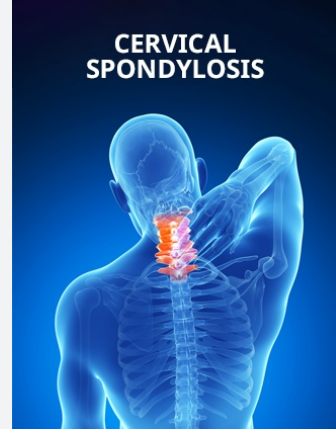
Cervical spondylosis is a common age-related condition that affects the bones, discs, and joints of the neck. It may cause neck pain, stiffness, reduced movement, headaches, and sometimes pain or other symptoms extending into the shoulder, arm, or hand.
Physiotherapy for cervical spondylosis can help manage symptoms, improve neck and upper-body movement, strengthen supporting muscles, and make everyday activities more comfortable. A physiotherapist can assess your symptoms and create an individualized treatment program based on your condition, physical abilities, and lifestyle.
What Is Cervical Spondylosis?
Cervical spondylosis refers to age-related changes in the cervical spine, which is the portion of the spine located in the neck.
As we age, the discs and joints in the cervical spine can undergo changes. These may include disc degeneration, changes in the vertebral joints, and the development of bone spurs.
Not everyone with cervical spondylosis experiences symptoms. When symptoms occur, they may include neck pain, stiffness, reduced range of movement, and, in some cases, nerve-related symptoms.
Common Causes and Risk Factors of Cervical Spondylosis
Cervical spondylosis is primarily associated with the natural aging process. However, several factors may influence symptoms and neck function.
Common factors include:
- Age-related changes in the cervical spine
- Repetitive neck movements
- Prolonged sitting
- Poor workstation ergonomics
- Reduced physical activity
- Previous neck injuries
- Sustained forward-head positions
- Muscle weakness
- Poor movement habits
It is important to understand that posture alone does not necessarily cause cervical spondylosis. Neck symptoms usually involve multiple contributing factors.
Symptoms of Cervical Spondylosis
Symptoms can vary from person to person and may range from mild to more persistent.
Common symptoms include:
- Neck pain
- Neck stiffness
- Reduced neck movement
- Pain around the shoulders
- Upper-back discomfort
- Headaches associated with neck problems
- Muscle tightness
- Pain that may extend into the arm
- Tingling or numbness in an arm or hand
- Muscle weakness in some cases
Some people may have cervical spine changes without experiencing any symptoms.
Cervical Spondylosis and Neck Pain
Neck pain is one of the most common symptoms associated with symptomatic cervical spondylosis.
Pain may become more noticeable after prolonged sitting, working at a computer, driving, or maintaining the neck in one position for an extended period.
Physiotherapy can focus on improving movement, strengthening supporting muscles, managing activity, and developing healthier movement habits.
How Physiotherapy Helps Manage Cervical Spondylosis
Physiotherapy does not reverse age-related structural changes in the cervical spine. However, it can help manage symptoms and improve physical function.
A personalized cervical spondylosis physiotherapy treatment program may include:
- Physiotherapy assessment
- Therapeutic exercises
- Neck mobility exercises
- Strengthening exercises
- Postural and ergonomic education
- Manual therapy when appropriate
- Upper-back and shoulder exercises
- Activity modification
- Home exercise programs
- Functional movement training
1. Physiotherapy Assessment
The first step is a detailed assessment of your symptoms and movement.
A physiotherapist may assess:
- Neck range of motion
- Muscle strength
- Shoulder movement
- Upper-back mobility
- Posture and movement habits
- Neurological symptoms
- Functional activities
- Pain during specific movements
The assessment helps determine an appropriate treatment approach.
2. Neck Mobility Exercises
Cervical spondylosis may be associated with neck stiffness and reduced movement.
Depending on your symptoms, a physiotherapist may recommend gentle mobility exercises to help maintain or improve comfortable neck movement.
Exercises may involve controlled movements such as:
- Gentle neck rotation
- Side bending
- Neck flexion and extension
- Upper-back mobility exercises
Exercises should be performed within a comfortable range and should not be forced.
3. Neck Strengthening Exercises
Strengthening the muscles around the neck and upper body can help improve movement control and support everyday activities.
A physiotherapist may prescribe exercises targeting:
- Deep neck muscles
- Upper-back muscles
- Shoulder-blade stabilizers
- Shoulder muscles
- Postural muscles
The exercises can be gradually progressed according to your strength and symptoms.
4. Posture and Ergonomic Advice
Many people spend long periods sitting at computers or using mobile devices.
A physiotherapist can assess your working position and provide practical advice regarding:
- Chair height
- Monitor position
- Keyboard and mouse placement
- Desk setup
- Sitting habits
- Smartphone use
- Regular movement breaks
The goal is not to maintain one rigid posture all day. Regularly changing position and moving throughout the day is also important.
5. Upper-Back and Shoulder Exercises
The neck works together with the upper back and shoulders. Weakness or limited mobility in these areas may affect overall movement.
Exercises for the upper back, shoulder blades, and shoulders may therefore be included as part of a cervical spondylosis rehabilitation program.
6. Manual Physiotherapy Techniques
When appropriate, a physiotherapist may use hands-on techniques to address movement restrictions or soft-tissue discomfort.
Manual therapy may be combined with therapeutic exercise and education rather than being used as the sole treatment.
High-velocity neck manipulation should not be performed without appropriate clinical assessment and consideration of individual risks.
7. Activity Modification
Completely avoiding movement is usually not the goal of rehabilitation.
Instead, a physiotherapist may help you identify activities that aggravate your symptoms and modify them temporarily while maintaining appropriate physical activity.
This can include changes to:
- Work routines
- Driving habits
- Exercise
- Sleeping positions
- Smartphone use
- Household activities
8. Home Exercise Program
A home exercise program can help maintain progress between physiotherapy sessions.
Your physiotherapist may provide exercises designed specifically for your symptoms and functional goals.
Consistency is generally more important than performing large numbers of exercises occasionally.
Cervical Spondylosis Physiotherapy Exercises
Exercise selection depends on your symptoms, mobility, strength, and whether you have any nerve-related signs.
Common exercise categories may include:
Chin Tuck Exercise
Gentle chin-tuck movements can be used to improve awareness and control of the head and neck position.
Neck Rotation
Controlled neck rotation may help maintain comfortable movement when appropriate.
Shoulder Blade Exercises
Scapular exercises can help strengthen muscles around the shoulder blades and upper back.
Upper-Back Mobility Exercises
Thoracic mobility exercises may help improve movement through the upper back, which can support overall neck and shoulder movement.
Postural Strengthening
Strengthening the muscles of the upper back, shoulders, and deep neck region may improve movement control.
Important: Do not perform exercises that cause significant pain, worsening numbness, increasing weakness, dizziness, or other concerning symptoms. A physiotherapist should guide exercise selection when symptoms are persistent or nerve-related.
Cervical Spondylosis and Headaches
Some people with neck problems experience headaches associated with cervical structures and surrounding muscles.
Neck-related headaches may be influenced by factors such as restricted movement, muscle tension, and sensitivity in the neck region.
Physiotherapy may include neck and upper-back exercises, mobility work, strengthening, and education about movement and activity.
However, not every headache is caused by the neck. A new, severe, sudden, or unusual headache requires appropriate medical evaluation.
Cervical Spondylosis and Arm Pain
Cervical spine changes can sometimes contribute to irritation or compression of nerves, resulting in symptoms that extend from the neck into the shoulder, arm, or hand.
Possible symptoms may include:
- Arm pain
- Tingling
- Numbness
- Altered sensation
- Weakness
These symptoms require careful assessment because they can indicate cervical nerve involvement.
A physiotherapist can screen for neurological symptoms and recommend medical evaluation when necessary.
Benefits of Physiotherapy for Cervical Spondylosis
A suitable physiotherapy program may help:
- Reduce neck discomfort
- Improve neck mobility
- Improve muscle strength
- Improve upper-back movement
- Improve functional movement
- Support better work habits
- Increase confidence with movement
- Improve physical activity levels
- Help manage recurrent symptoms
Individual results vary depending on the severity of symptoms, underlying changes, physical activity, and other health factors.
How to Manage Cervical Spondylosis at Home
Along with professional treatment, several lifestyle habits may support neck health.
Take Regular Movement Breaks
If you work at a computer, avoid remaining in the same position for prolonged periods. Stand up, walk around, and change your position regularly.
Adjust Your Workstation
Keep your monitor at a comfortable viewing height and arrange your chair and desk so that you can work without prolonged uncomfortable neck positions.
Avoid Prolonged Smartphone Use
Try to avoid keeping your head bent forward for long periods while using a phone.
Stay Physically Active
Regular physical activity can help maintain muscle strength, mobility, and general fitness.
Follow Your Exercise Program
Perform prescribed exercises consistently and according to your physiotherapist’s instructions.
Avoid Sudden Overloading
If you have been inactive, increase exercise and physical activity